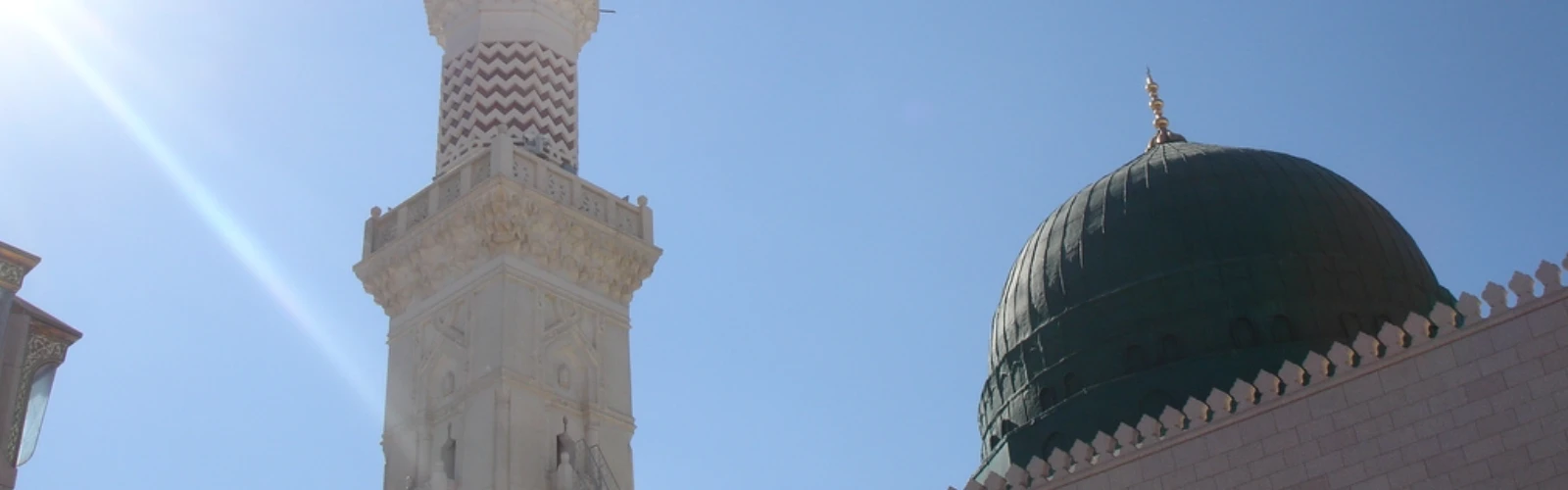
A Guide to the Masjid Abu Bakr, Masjid Umar, Masjid Ali, and Masjid Fatimah

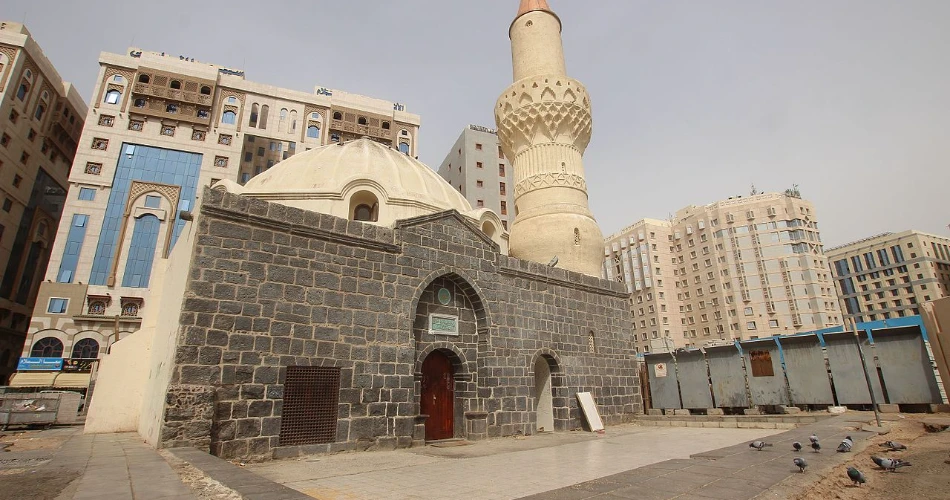
The mosques associated with the Battle of the Trench are of great importance in Islamic history and are among the best places to see in Madinah. These historic prayer sites are located along the rocky slopes of Mount Sila‘ in the sacred city of Medina. Along with serving as places of worship, these mosques together reflect the planning and unity shown during a time of hardship.
Visiting Masjid Abu Bakr, Masjid Umar, Masjid Ali, and Masjid Fatimah offers a meaningful journey into the past. Each mosque is connected to the presence of the Prophet Muhammad (peace be upon him) or his closest Companions.
This guide enables you to explore the background and significance of these spiritual and amazing places to go in Madinah, helping readers appreciate their role in preserving Islamic heritage and history.
Masjid Abu Bakr al-Siddiq
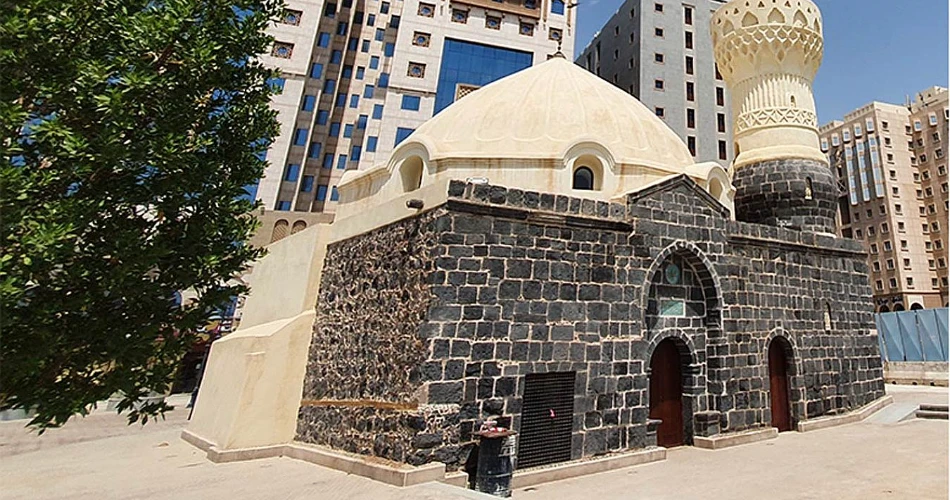
This mosque is linked to Abu Bakr al-Siddiq (رضي الله عنه), the closest companion of the Prophet Muhammad (peace be upon him) and the first Caliph of Islam. It marks a location connected to his presence during the Battle of the Trench, a time when the Muslim community faced intense pressure and uncertainty.
Historical Importance and Position
Abu Bakr al-Siddiq (رضي الله عنه) stood as a constant source of emotional strength and reassurance for the believers and remained firmly by the Prophet’s side during the most difficult moments of the siege. His position was carefully chosen to allow a quick response if the trench defenses were threatened, which shows his importance in the overall strategy.
Architectural Style
The mosque design is simple and practical. It is modest in size and design, without elaborate decoration. This understated structure reflects the personal character of Abu Bakr (رضي الله عنه), who was widely known for his humility despite his high status in Islam.
Masjid Umar ibn al-Khattab
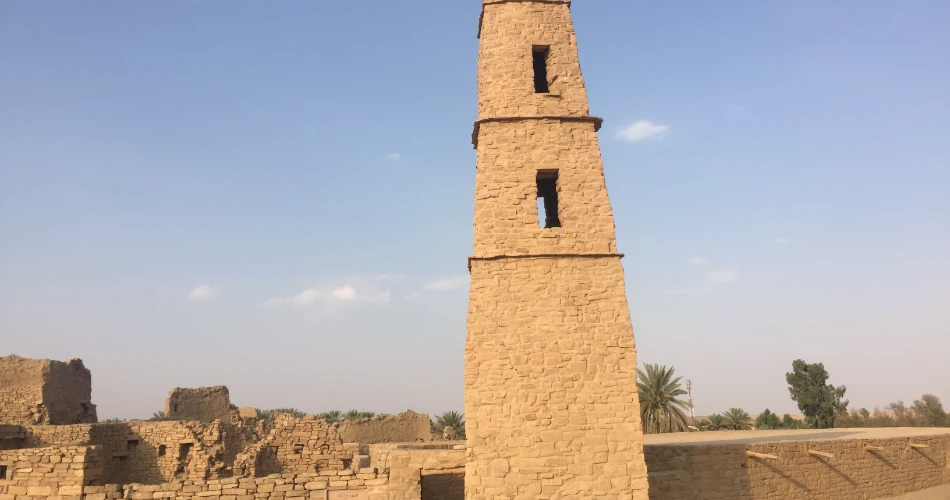
Masjid Umar Madinah is associated with Umar ibn al-Khattab (رضي الله عنه), who is the second Caliph of Islam and known for his strength and deep sense of justice. The site marks an area where his leadership played a vital role during the Battle of the Trench.
Historical Importance and Position
Umar ibn al-Khattab (رضي الله عنه) was known as a powerful and determined leader. His assigned post was likely located where enemy pressure was expected to be strongest. Throughout the siege, he contributed to maintaining order and strengthening morale among the Muslim ranks. His presence was a key factor in preserving unity during a tense confrontation.
Architectural Style
The structure of the mosque is solid and straightforward, with no unnecessary decoration. Its practical design reflects the character of Umar (رضي الله عنه), who was known for clarity and strength in both leadership and faith.
Masjid Ali ibn Abi Tali
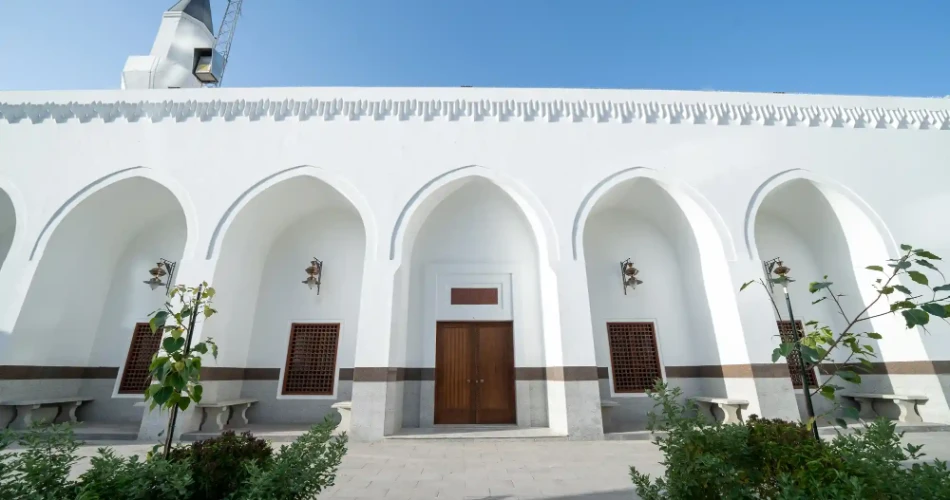
This mosque is linked to Ali ibn Abi Talib (رضي الله عنه), who is the cousin and son-in-law of the Prophet Muhammad (peace be upon him) and known for his wisdom and devotion from a young age.
Historical Importance and Position
Although the most famous event involving Ali (رضي الله عنه) during the Battle of the Trench took place at another section of the battlefield, this location is traditionally linked to his presence and role. As a young commander, he stood on the front lines, ready to defend the Muslim community. His bravery and readiness to face danger made him a powerful source of confidence for the believers.
Architectural Style
Like the other mosques in the area, Masjid Ali ibn Abi Talib is also small and modest. The structure itself is simple, which places greater emphasis on the historical memory of Ali’s courage and solid faith rather than architectural detail.
Masjid Fatimah
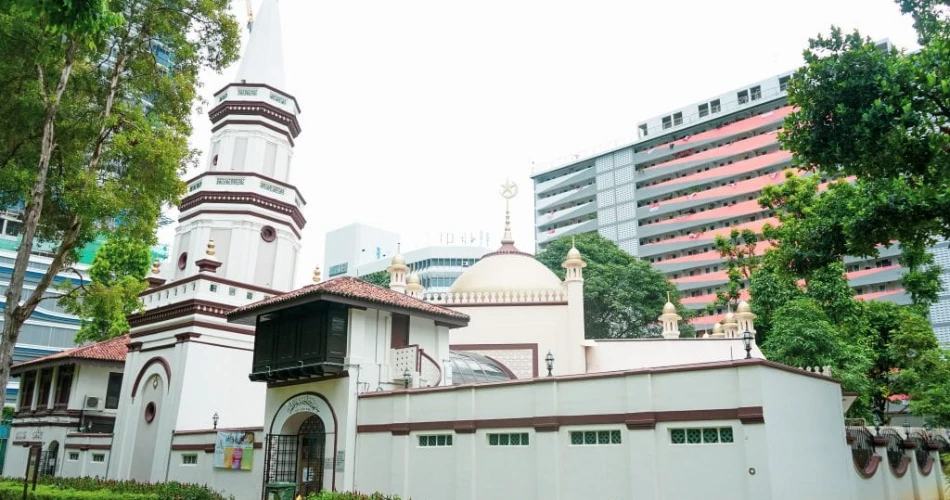
Masjid Fatimah is named after Fatimah (رضي الله عنها), who is the beloved daughter of the Prophet Muhammad (peace be upon him) and the wife of Ali ibn Abi Talib (رضي الله عنه). Though it is smaller than the other mosques, its importance lies in its deep connection to the Prophet’s household.
Historical Importance and Legacy
Fatimah (رضي الله عنها) is remembered for her devotion, patience, and strong support of her father’s mission. She stood beside the Prophet during times of hardship and personal loss, offering comfort and strength. Her life reflects sacrifice, compassion, and unwavering faith, earning her the honored title of the leader of the women of Paradise.
Architectural Style
The mosque is simple and understated, which reflects humility rather than magnificence. Its small size does not lessen its spiritual value, as its significance is rooted in the legacy of Fatimah’s character and example.
Visiting these historic Madina tourist attractions offers a deeply reflective experience. Each site is connected to individuals who played critical roles during one of the most testing periods in early Islamic history. These sacred locations allow visitors to connect with the legacy of the Prophet Muhammad (peace be upon him) and those who stood firmly beside him, shaping the future of the Muslim ummah through sacrifice and resilience.
Plan your Madinah stay with confidence — book your room at Zowar International Hotel today and enjoy comfort, convenience, and easy access to Al-Masjid an-Nabawi.

About Author
Amelia has a great eye for photography. She has traveled to over 30 countries and has produced great videography and photos, along with penning them down with her writing skills. She has also worked with many top travel photographers.